The ultimate guide to brand photography in Scotland
If you run a small business in Edinburgh or elsewhere in Scotland, your photographs are doing more work than you might realise.
They shape first impressions. They influence trust. They indicate how established, credible, and professional your business feels before anyone’s read a single word.
Many business owners sense when their visuals aren’t pulling their weight. Images feel dated, inconsistent, or slightly off. Not disastrous, just not quite accurate. And yet, knowing that something needs attention isn’t the same as knowing what to do about it.
Brand photography is one of those areas that attracts a lot of noise and very little clarity. There are conflicting definitions, strong opinions, and plenty of advice that assumes you’re already feeling confident, decisive, and camera-ready.
This guide exists to remove that friction.
It explains what brand photography and business headshots actually are, how they’re used, what matters when planning them, and how to make sensible decisions without pressure or overwhelm. It’s written for thoughtful business owners who want their images to feel like a fair representation of who they are and how they work.
You don’t need to feel excited. You don’t need to feel confident. You just need clear information and a way forward that makes sense.
That’s what you’ll find here.

Brand photography in Scotland attracts a lot of noise and very little clarity.
There are plenty of articles about posing, lighting, and style, but far fewer that step back and explain what brand photography is actually for, or how it supports a small business in practical terms.
This guide aims to do exactly that.
It looks at what brand photography really means, how it differs from other types of business photography, how small businesses across Scotland tend to use it, and how you can make sensible decisions about your own images.
I wrote it for thoughtful small business owners who want their photographs to feel like a fair representation of who they are and how they work, rather than something overly polished or artificial. So, if you've been wondering whether brand photography would be useful for your business, this guide will help you understand how it works and what to expect.
If you're interested in how brand photography works in practice across different industries and locations, you may also find this article helpful: what it means to work with a brand photographer in Scotland.
Hallo and welcome!
I'm Donna Green
I’m a brand photographer working with small businesses in Edinburgh and across Scotland. My work focuses on helping people create photographs that reflect who they are, how they work, and how they want their business to be perceived.
This guide draws on that experience. It's designed to help you understand how brand photography and business headshots are used, what makes them effective, and how to make sensible decisions without pressure or forced confidence.
If you would like to see how this approach translates into practical services, you can see my services for brand photography in Scotland here.

What is brand photography?

Brand photography sits within the wider field of commercial photography. It's concerned with how a business is represented visually for marketing and communication.
Rather than focusing on a single image or moment, brand photography creates a considered set of images that work together. These images are used across a website, social media, email marketing, press features, and other business materials.
Within brand photography, there are a few distinct approaches. They're related, but they're not the same.
Understanding the difference helps you decide what you actually need.
What is a commercial photographer?
Commercial photography covers any photography created for business use. That can include products, food, interiors, architecture, people, or environments.
It’s a broad category, and brand photography is one specific application within it.
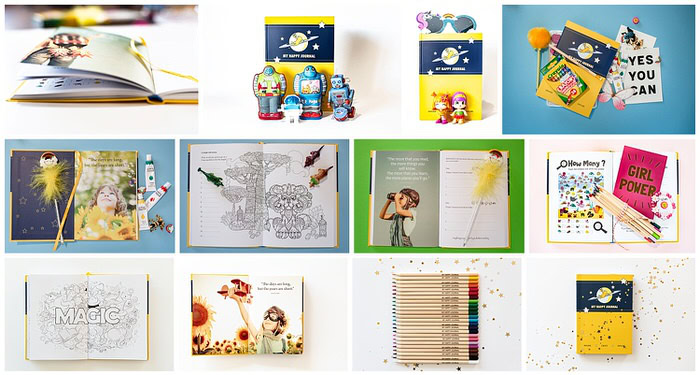
For example, I created these images below for a stationery brand - they focus on the product and how it’s used. The photography supports the brand visually, but the people who created it and use it aren't the focus. The emphasis is on objects, styling, and setting.

What is a brand photographer?
A brand photographer creates images that represent a business as a whole.
The focus is on how the brand looks and feels, how it's experienced, and how it's positioned in the market.
People may appear in the images, but they're not always the central subject. The emphasis is on atmosphere, story, and visual identity rather than individual personality.
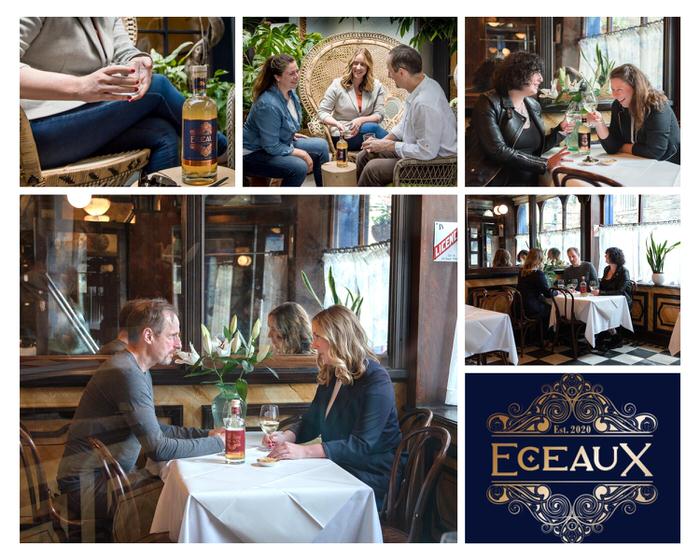
For example, this drinks brand brief focused on café culture and social connection. The people I photographed are part of the story, but the images aren't about them personally. They exist to support the brand narrative.

What is a personal branding photographer?
Personal branding photography is a more specific type of brand photography. It’s used when the business and the person are closely linked.
This is common for coaches, consultants, therapists, creatives, and other solo business owners, where the images need to communicate what the person does, how they work, and what working with them feels like.
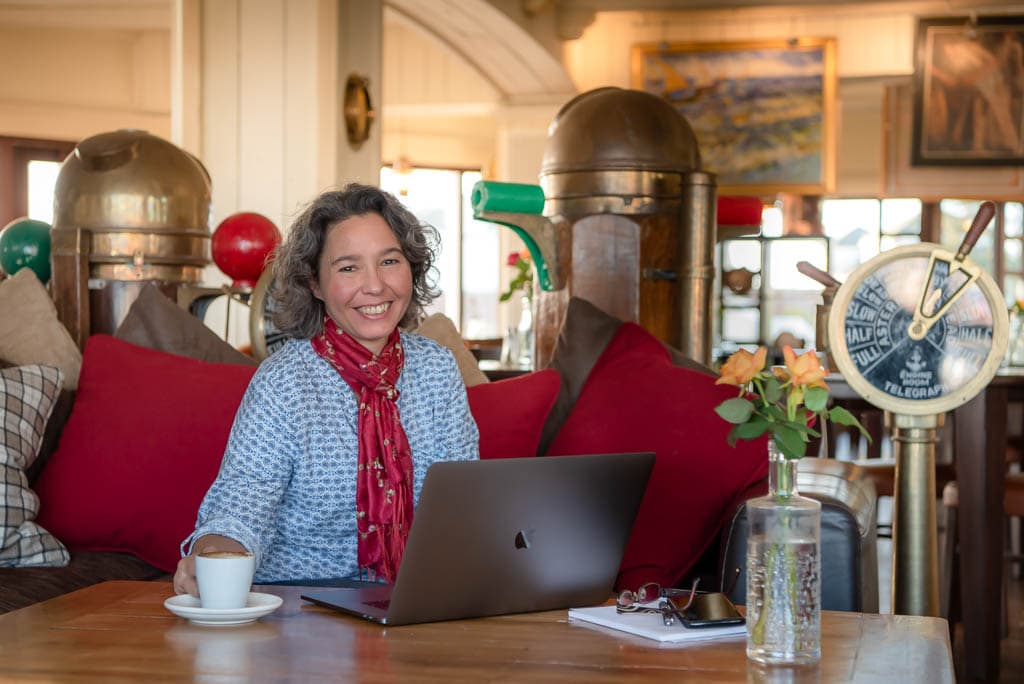
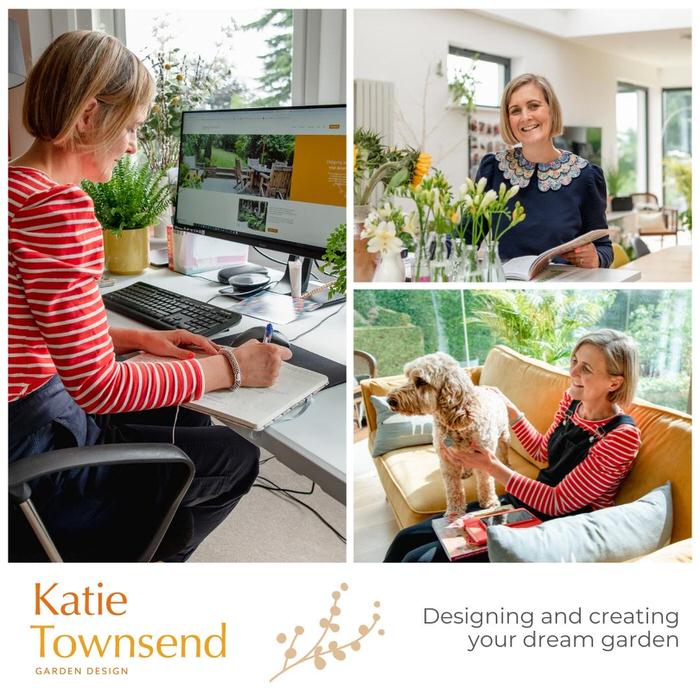
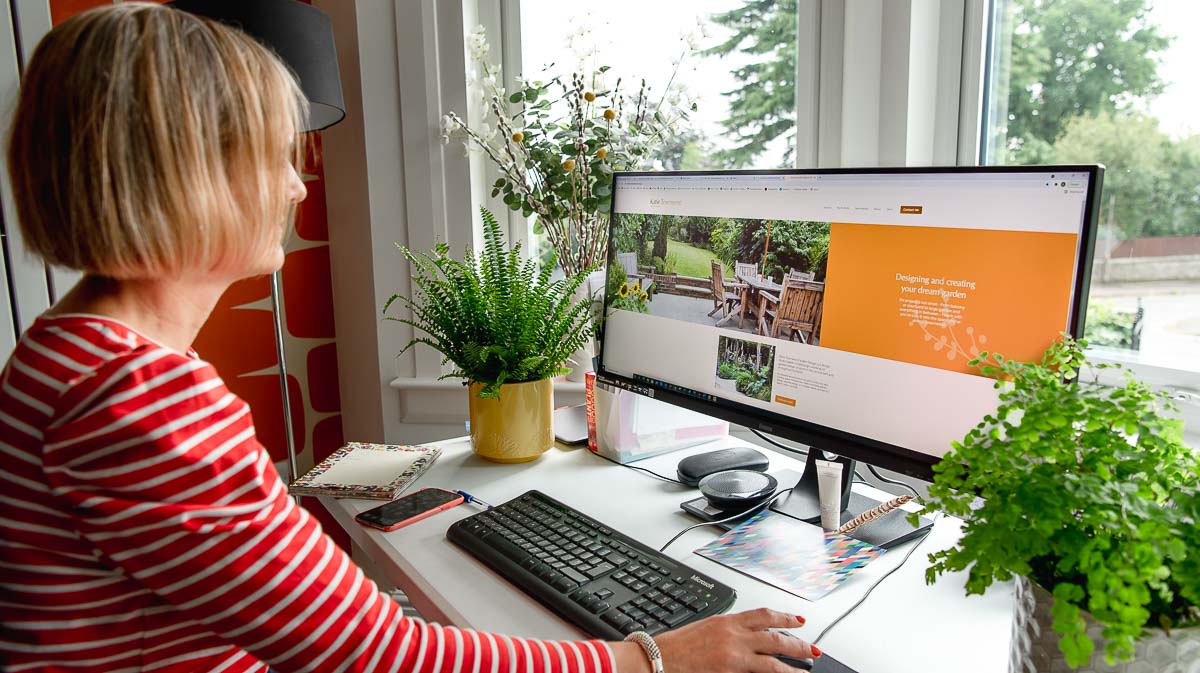
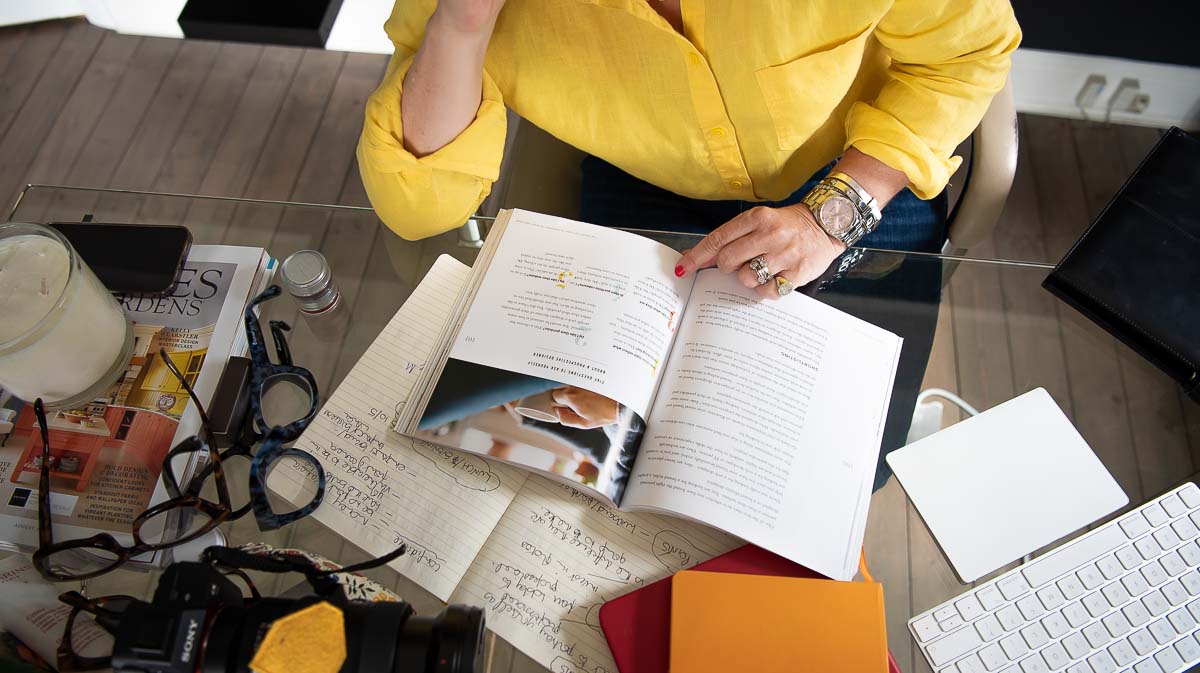
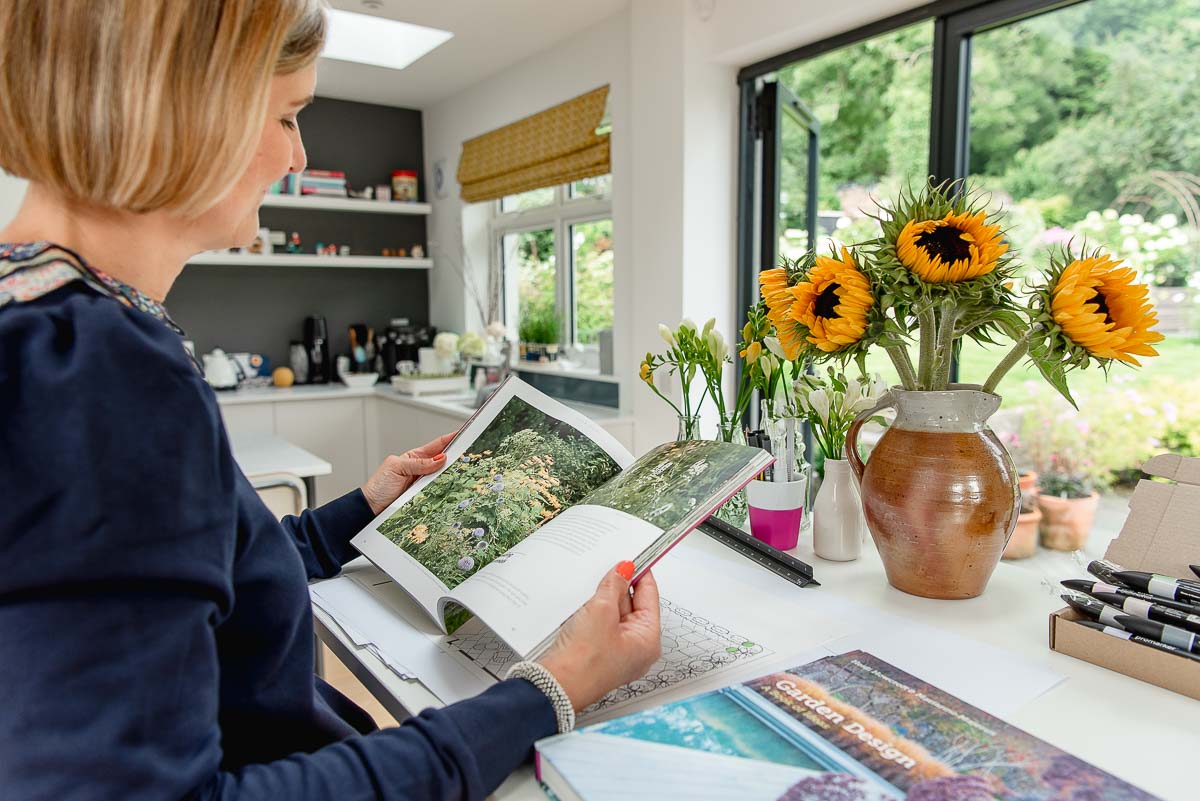
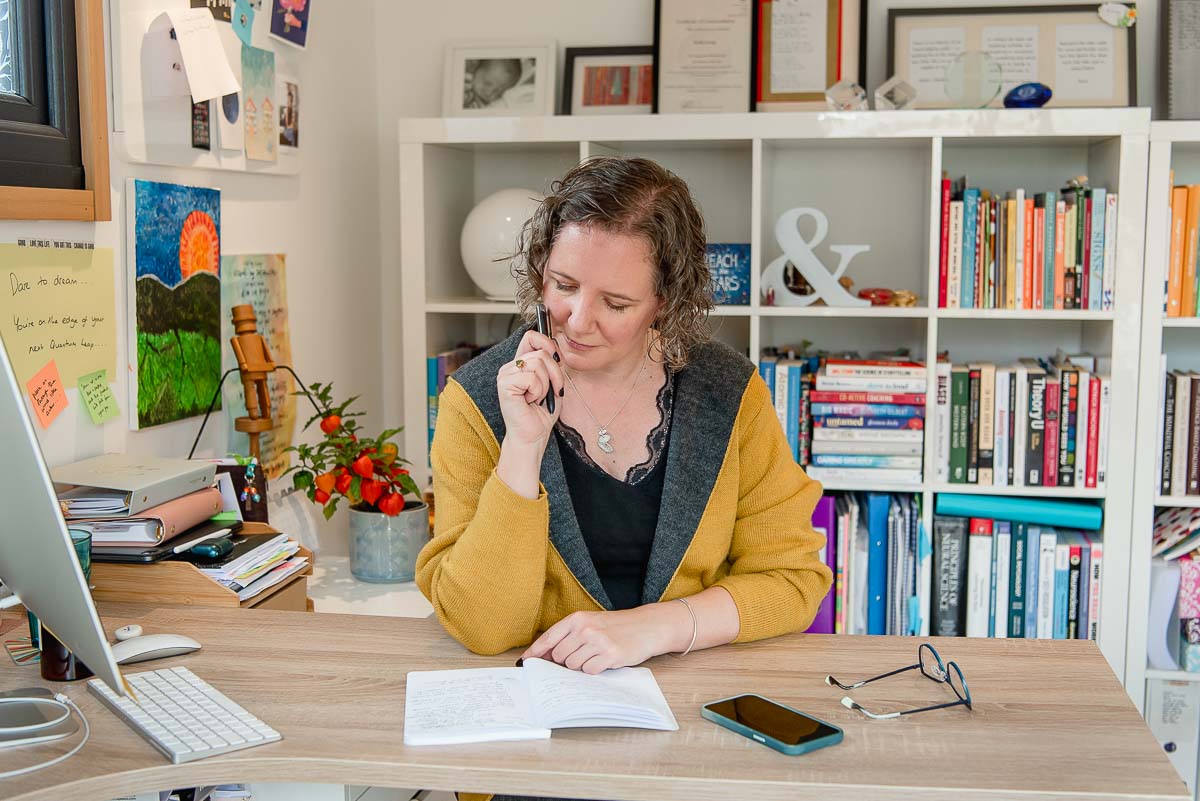
In this example, my photographs show where my client works, how she works, and elements of her life that matter to her, including her dog. Those details aren't decorative - they help her potential clients understand who she is and whether she feels like the right fit for them.

What is a headshot photographer?
Headshot photography is the most contained of these approaches.
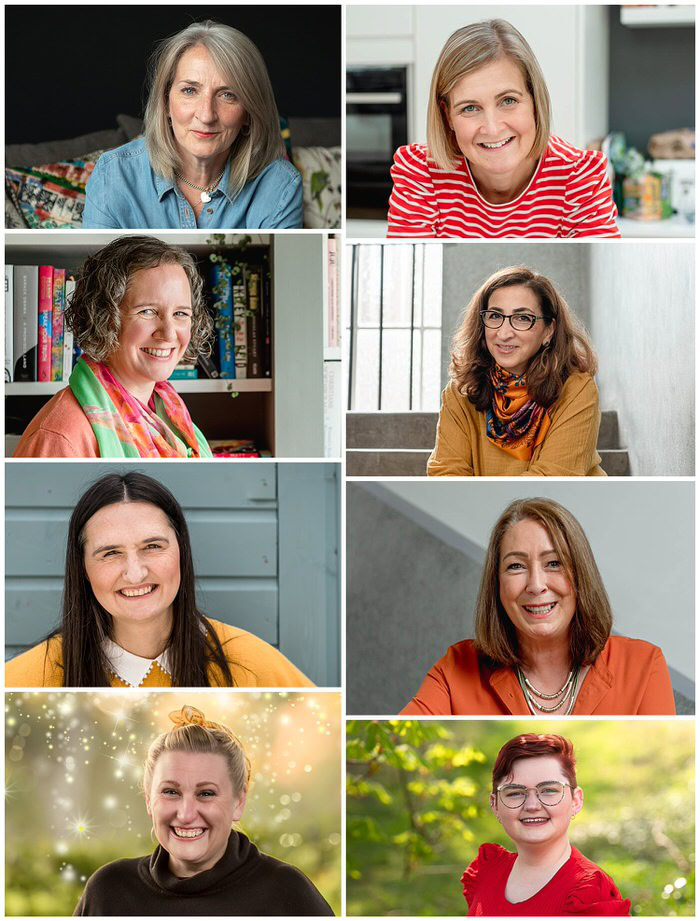
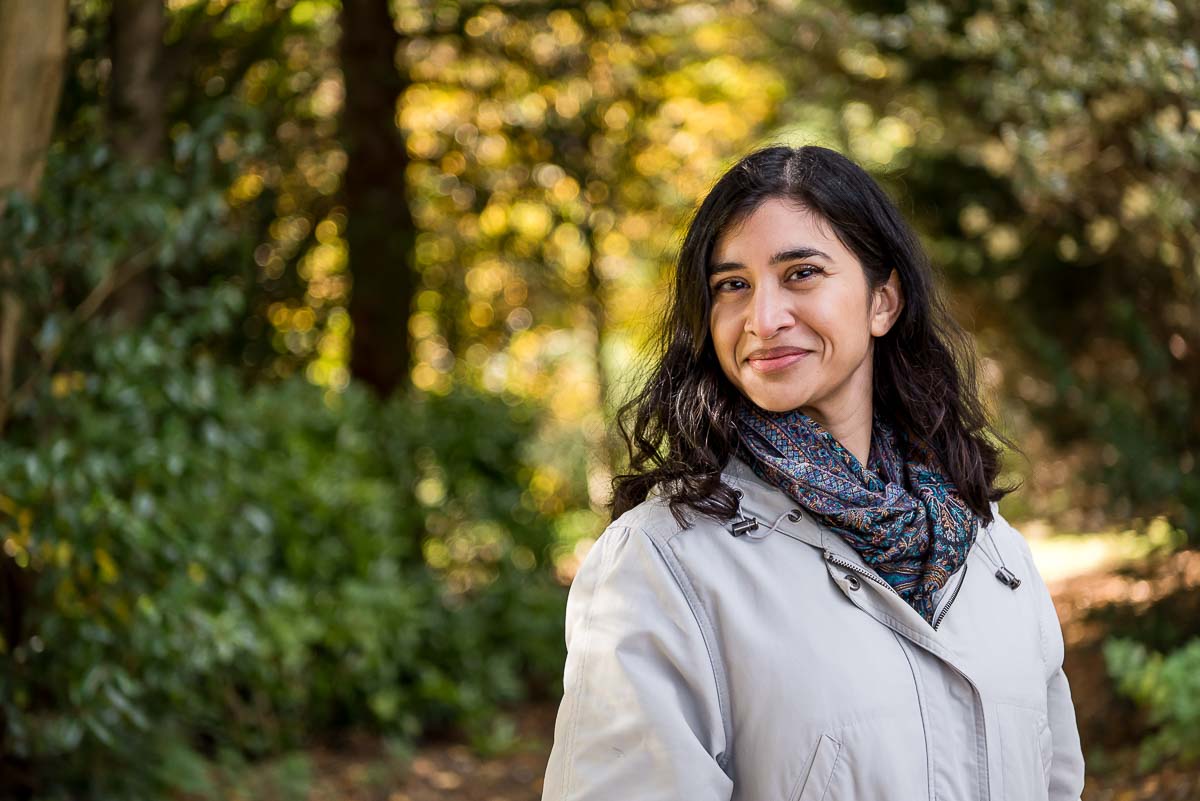
A professional headshot is usually cleanly lit and focused on one person, traditionally cropped to head and shoulders, though half-body portraits are now common too. Headshots are widely used for profile images, team pages, speaker bios, and press features.
Many modern headshots include more context than they once did, without losing clarity or professionalism.

What are business portraits?
Business portraits is a broader, more flexible term. It generally refers to professional photography where the primary focus is on people within a business context. That might include headshots, personal branding images, or wider brand photography where individuals are central to the image.
If you’d like to see how these different approaches come together in practice, you can view my brand photography services in Scotland here.

What's the difference between brand photography and headshots?

The difference between a headshot and brand photography isn't about quality or ambition. It’s about purpose.
A headshot is designed to show what you look like. It gives people a clear, professional sense of who they’re dealing with, and it works well in places where recognition matters, such as profile images, team pages, speaker bios, or press features.
A good headshot can hint at personality through expression, posture, or setting, but its job is clarity rather than depth.
Brand photography has a wider role. It’s used when someone’s presence, approach, and way of working are central to how their business is perceived. Rather than focusing on a single image, it creates a collection of photographs that show how you work, what matters to you, and what it feels like to engage with you.
This might include your working environment, the way you interact with clients, or the details that shape your day-to-day business. These images help potential clients build a fuller picture, not just of what you look like, but of who you are in the context of your work.
Neither option is inherently better than the other. Many business owners start with headshots and add brand images later. Others only need a strong headshot, and that’s perfectly appropriate.
The right choice depends on how visible you need to be, how personal your business is, and what your images need to communicate right now.

Why do you need brand photography?

Brand photography matters because it shapes how your business is understood before any conversation takes place.
Your images are often the first point of contact someone has with your work. They influence how credible, established, and relevant your business feels long before anyone reads your copy or enquires about your services. This is why photography sits at the centre of your brand, not at the edges.
You can see how different types of images support different business goals in What kind of business photography do I need?, which is a useful place to go if you are still deciding what feels appropriate for your stage of business.
It helps position your business clearly
Good brand photography helps people understand what you do, who you work with, and whether you feel like the right fit for them.
When your images are intentional and well considered, they position your business without you needing to over-explain or justify yourself. Your photography becomes part of how you communicate expertise, alongside your words.
I write more about the relationship between visuals, trust, and perceived professionalism in Why professional photography is important for your business.
Your visual communication carries weight
People process visual information before written information - that's simply how humans make sense of the world.
Consistent, purposeful photography helps your business feel coherent and reliable. When your images work together cohesively, they reduce friction. People know what to expect from you, and they don't have to spend energy trying to decode your presentation.
I explain how to use photography deliberately rather than reactively in How to use brand photos strategically in your business.
It helps you stand out in a sea of noise
There are a lot of businesses operating in Scotland, and many of them are visible online. Recognition does not come from doing more. It comes from looking intentional over time.
Strong brand photography helps your business feel recognisable rather than improvised. When people see your images repeatedly across your website, social media, and marketing, they begin to associate a particular look and feel with your work.
I talk through the long-term impact of cutting corners with imagery here in The hidden costs of using selfies.
It saves time and mental energy
A well-planned set of brand images removes a surprising amount of day-to-day friction.
Instead of searching for stock images, second-guessing and wasting time on selfies, or avoiding posting altogether, you have photographs that actually belong to your business. That makes it easier to show up consistently without overthinking every decision.
Many clients notice that once their photography is in place, content creation becomes simpler and less draining. I see this play out repeatedly with clients, and I write about it in Consistency in social media photos.
It helps your online presence feel cohesive
Your website and professional profiles are not mere showcase spaces, they're working parts of your business.
When your images reflect how you actually work and what you value, your online presence feels more straightforward and more accurate. You aren't compensating with words or explanations - the visuals are doing their share of the work.
If you want to see how this looks in practice, my Brand photography services page shows how different types of shoots support different needs.
It prepares you for opportunities without pressure
Opportunities sometimes arrive without much notice, whether that's a press request, a speaking invitation, or perhaps a collaboration enquiry.
When you already have professional, up-to-date images, you can respond without scrambling or making compromises. Your photography becomes part of your business infrastructure, rather than something you only think about when you are under pressure.
This is one of the reasons some clients choose to build an image library over time instead of relying on one-off shoots. I explain how that works, and who it suits best, on my Brand photography subscriptions page.

Where small businesses in Scotland use brand photography

Brand photography is an investment of time, effort, and money, so it needs to work hard for your business.
In practice, that means using your images consistently across every place your business shows up, not saving them for special occasions or letting them sit unused in a folder.
I often see clients underestimate just how many touchpoints their photography can support. Once you start thinking of your images as working assets, the list becomes surprisingly long.
Using the same considered set of images across these spaces helps your business feel coherent and recognisable over time - that consistency reduces decision fatigue and makes it easier to show up without reinventing the wheel each week.
You can use your brand photography and business portraits across:
Social media and other platforms you can use your images include:

How to create your brand photographs

Once you understand what brand photography is for, the next step is working out how to approach it in a way that actually suits your business.
Effective brand photographs are not accidental. They're the result of a few clear decisions made in the right order. When you slow that process down and give each stage some thought, the whole experience becomes far less overwhelming and far more effective.
In this section, I break the process into three parts. You don't need to do them all at once, and you don't need to get them perfect - you simply need to understand what each stage is responsible for.
Plan your brand photography
This is where most of the clarity is created.
Planning your brand photography means thinking about what the images need to do for your business, where they will be used, and what they need to communicate. When this part is done well, everything that follows becomes easier and more focused.
Design your brand photography
This stage is about the practical decisions that shape the images themselves.
Clothing, locations, activities, and how the shoot flows all sit here. These choices work best when they are guided by the planning stage, rather than made in isolation.
Prepare for your brand photography
Preparation is about readiness, not putting on a show.
This includes the practical steps that help the shoot run smoothly, as well as the small things that help you feel settled and present on the day. Good preparation removes friction rather than adding pressure.
1) How to plan your brand photography

Planning is where good brand photography actually begins.
The photographs themselves matter, of course, but what makes them useful is the thinking that happens before a camera ever comes out. When the planning is clear, the images do not need to work as hard. They make sense more quickly and last much longer.
This stage isn't about branding theory or trying to sound impressive, it's about getting clear on a few fundamentals so your photographs reflect your business accurately, rather than vaguely.
Start with what matters to you
Your business already has values, whether you have named them or not. They show up in how you work, how you treat people, and what you care about protecting.
Planning your brand photography means taking a moment to notice those things and decide which of them you want your images to reinforce.
You do not need a long list. A small number of clear values is usually more helpful than a polished statement. The goal is not to appeal to everyone, but to feel aligned with the people you want to work with.
Your photographs can then reinforce that alignment visually, without spelling anything out.
Be clear about who your work is for
Brand photography works best when it reflects both sides of the relationship.
That means having a clear sense of who your work helps, what they are struggling with, and what they are looking for when they come across your business. Your images do not need to show solutions literally, but they should support the story you are already telling through your work.
When this part is clear, your photographs start to do some of the explaining for you.
Decide how personal you want to be
There is no single correct level of personal visibility.
Some business owners are comfortable sharing a lot. Others prefer to keep clear boundaries between their work and their private life. Most people sit somewhere in between.
Planning is the moment to decide what you are happy to show and what you would rather keep off-limits. That might include family, home life, health, or anything else that feels too close to share.
Being clear about this upfront makes the rest of the process easier and more respectful. It also helps your photographer focus on ideas that genuinely suit you, rather than guessing.
Think before you look
It's tempting to jump straight into visual inspiration, but it works much better the other way round.
Once you have a sense of your values, your audience, and your boundaries, you can start thinking about what kind of visual language fits. At that point, inspiration becomes a tool rather than a distraction.
Use Pinterest for ideas, not answers
Pinterest can be useful if you approach it with a clear purpose.
Set aside a limited amount of time. Save images that catch your eye without overanalysing them. You aren’t looking for shots to copy. You are looking for patterns in what you respond to.
When you come back to the board later, you will usually find that many images no longer feel right. What remains gives you clues about tone, mood, and direction.
Create your own mood board
A mood board helps translate abstract ideas into something visual.
It doesn’t need to be complicated. A small selection of images, colours, textures, or words is enough. The purpose is not to lock anything down, but to give your photographer a shared reference point. This makes conversations clearer and decisions easier, and helps avoid misunderstandings later in the process.
I’ve written an article on mood boards for brand photography which explains how to create one and why it matters:
2) How to design your brand photography

Once the foundations are in place, the next step is translating those decisions into images.
This part of the process is about design rather than strategy. You’re taking what you already know about your business and expressing it through visual choices, with your photographer guiding the details.
You don’t need to have all the answers, you just need to understand the kinds of choices involved.
Props and objects

Props help anchor your photographs in real life.
Anything that appears in the frame should contribute to the story you’re telling about your work and how you operate. That might include tools you use every day, products you sell, notebooks, technology, or objects that hint at your interests and personality.
Props don’t need to be literal or obvious. In fact, the most effective ones are often subtle and familiar, helping your audience imagine what it would feel like to work with you.
Colour matters here too. Props are an easy way to bring in brand colours without wearing them head-to-toe.
Movement and posing

Most people worry about posing far more than they need to.
You don’t need to know how to pose. A good brand photographer will guide you into positions that work well on camera and feel natural to hold. Some of these will feel slightly unfamiliar, simply because photographs flatten real life into two dimensions.
That doesn’t mean the images will feel stiff or forced. It just means the photographer is working with how cameras see, not how mirrors work.
If a relaxed, informal feel is genuinely part of your brand, that can absolutely be reflected too. The key is alignment, not forcing yourself into a version of “natural” that doesn’t suit you.
Locations

Location plays a huge role in how your images are perceived.
Urban or rural, indoors or outdoors, polished or lived-in – all of these choices communicate something before a word is read. Edinburgh and Scotland as a whole offer enormous variety, which means the right location is almost always available once you’re clear on the tone you want to set.
Rather than starting with a long list of places, it’s more helpful to think about what the location needs to say. Professional, creative, considered, energetic, traditional, modern – those cues narrow the options very quickly.
Your photographer can then help you choose locations that support your brand without overpowering it.
Clothing and colour

What you wear should support your message, not compete with it.
In most cases, the aim is to keep the focus on you rather than on your outfit. Clothing that feels comfortable and familiar usually photographs better than something chosen purely because it looks impressive on a hanger.
Think about how your clothes relate to your brand values, your location, and the themes you want your images to show. Your wardrobe choices don’t need to be dramatic to be effective.
Colour plays a part here too. Different colours carry different emotional weight, and you can use that intentionally. If your brand colours don’t suit you personally, that’s not a problem. They can appear elsewhere in the frame through props, backgrounds, or surroundings.
Details matter, but they don’t need to become a source of stress. Checking clothes in advance for fit, marks, or distractions simply helps the shoot run more smoothly.
3) How to prepare for your brand photography

Share the plan with anyone involved
If anyone else is part of your shoot, make sure they have the key details.
That might include when and where they need to be, how long they’re needed for, and what role they’re playing.
Your photographer will usually create a clear shoot plan. Sharing that early helps everyone arrive prepared and avoids last-minute confusion.
Finalise your outfits
If you need to buy anything new, give yourself time. You don’t want to be making wardrobe decisions the night before.
Once you’ve chosen what you’re wearing, lay the outfits out together so you can see them as a collection. It’s useful to imagine how the images might sit alongside each other rather than thinking about each outfit in isolation.
If something feels off at this stage, it’s much easier to adjust now than on the day.
Hair, make-up, and nails
There’s no single right way to approach this.
If your brand leans towards polished and refined, professional hair and make-up might feel like the right choice. If your brand is more relaxed, doing your own may suit you better.
If you’re making a significant change to your hair, avoid doing it immediately before the shoot. Giving yourself a bit of time to settle into it usually leads to better results.
The same applies to nails. If you choose to have them done, keep in mind that very bold colours can draw attention away from your face. That’s fine if it’s intentional, but it’s worth deciding consciously.
Gather any props you need
If you’re ordering props online, allow extra time for deliveries or exchanges.
If you’re shopping locally, build in enough time so it doesn’t feel rushed. Preparation works best when it reduces pressure rather than adding to it.
Look after the basics
This sounds obvious, but it genuinely helps.
In the days leading up to your shoot, try to get decent sleep and drink plenty of water. It makes a noticeable difference to how you feel on the day and how you come across on camera.
Bring a few essentials with you
It’s useful to have a small kit with you, even if you’re keeping things simple.
That might include a bit of make-up for touch-ups, hand cream, and anything you know helps you feel more comfortable.
Small details like flyaway hair or dry skin can usually be fixed, but it’s easier when you’re prepared.
If you’d like a more detailed run-through of this stage, I cover it step by step in 6 ways to prepare for your headshots and business portraits
Pulling it all together
All the thinking you’ve done so far only really comes into its own when it’s gathered in one place.
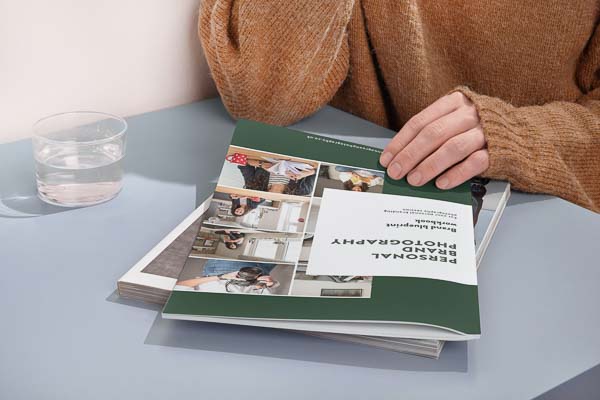
Your photographer should give you a clear way to pull everything together, whether that’s a workbook, questionnaire, or planning document. Simply compiling your thoughts often brings clarity to areas of your business that previously felt a bit fuzzy.
That clarity doesn’t just support your photography. It tends to carry through into how you talk about your work, how you market yourself, and how confidently you move forward.


How much does brand photography in Scotland cost?

Cost is one of the most common questions people ask about brand photography, and there isn’t a single standard answer.
In Scotland, professional brand photography can range from a few hundred pounds to several thousand, depending on what you need and how you plan to use the images. The variation reflects differences in scope, planning, time, and how long the photographs are intended to work for your business.
Why prices vary so much
At the lower end of the scale, you’ll usually find simple headshots or mini sessions with limited planning. These can be useful in specific situations, such as updating a LinkedIn profile or meeting a very immediate need.
At the higher end, brand photography includes time spent understanding your business, planning how the images will be used, and creating a set of photographs designed to support your marketing over a longer period. You’re not just paying for time behind the camera, but for thinking, structure, and continuity.
Neither option is inherently right or wrong. What matters is choosing something that genuinely fits your business and how you operate.
Headshots and mini sessions
Headshots and mini sessions sit at the more accessible end of the spectrum.
They can work well if you need something straightforward and contained, or if you’re employed rather than running your own business. They can also be a sensible stepping stone if you’re testing the waters.
What they don’t usually offer is a strategic overview of your brand or a cohesive image library designed to support ongoing marketing. That doesn’t make them a bad choice, but it does mean they suit certain needs better than others.
Where strategy comes in
As your business grows, photography tends to shift from being a one-off task to part of your wider infrastructure.
When images are planned with longevity in mind, they’re easier to reuse across your website, emails, and social platforms. They also tend to age better, because they’re grounded in how you actually work rather than in short-term trends.
This is why some business owners choose to invest in an image library over time rather than booking isolated shoots. It spreads the cost, keeps visuals current, and removes the pressure to “get everything done at once”. I explain this approach in more detail on my brand photography subscriptions page.
Choosing what's right for you
If you’re weighing up different options, it can help to think less about price in isolation and more about usefulness.
Ask yourself:
- how often you need new images
- where you’ll be using them
- whether you want something quick or something that supports you longer term
Your answers usually make the right level of investment much clearer.

What do you get when you book a brand photographer in Scotland?

What you come away with will always depend on the photographer you choose and the level of service you book. That said, there are some common elements you can reasonably expect from a professional brand photography experience.
What’s usually included
Most brand photographers will provide:
These basics ensure your images are practical as well as polished.
What may be included as part of a more in-depth service
Some photographers also offer additional support around planning and usage. Depending on the package, that might include:
These elements don’t just affect the shoot itself. They often make the difference between images that look good once and images that continue to work for your business over time.
I offer a number of these options across my services, depending on what clients need and how they plan to use their photographs.
Matching the service to your needs
Not every business needs the same level of support, and that’s fine.
If you’re unsure what type of photography or level of service makes sense for you, I break the options down in more detail in What kind of business photography do I need?
That should help you decide what will genuinely support your business, rather than choosing more or less than you need.

How to find the right
brand photographer in Scotland for you

Finding the right brand photographer isn’t about hunting for the “best” one in an abstract sense. It’s about finding someone whose approach, experience, and way of working suit you and your business.
Before you start comparing portfolios or prices, it helps to take a moment to think about what actually matters to you.
Specialism and approach
Some photographers focus almost entirely on brand and personal branding work. Others divide their time between multiple genres.
Neither approach is automatically better, but they offer different things. A photographer who specialises in brand photography is more likely to think about strategy, usage, and long-term value alongside the images themselves. A more generalist photographer may suit you if your needs are simple and contained.
The key is choosing someone whose focus aligns with what you want from the photographs.
Style and consistency
Spend time looking at a photographer’s portfolio as a whole, not just one or two standout images.
Ask yourself whether the work feels consistent, whether you like how people are portrayed, and whether you can imagine yourself in images like these. Style isn’t about trends. It’s about whether the photographs feel like a good fit for how you want to show up.
Level of service
Different photographers offer very different levels of support.
Some will simply turn up and shoot. Others will help you plan, prepare, and think through how the images will be used. Neither is wrong, but one may suit you better than the other depending on how much guidance you want.
Being honest with yourself about this makes the decision much easier.
Personal fit
You’ll be spending time together, often talking about your work and being photographed in ways that feel unfamiliar.
Liking someone’s work matters, but so does feeling comfortable with them as a person. A good working relationship often shows in the photographs themselves.
If you’d like a more detailed breakdown of how to choose someone who’s right for you, I’ve written a separate guide on this here.

How often should you update your headshots or brand photographs?

There isn’t a single rule that applies to every business.
How often you update your photography depends on how visible your business is, how you market it, and how quickly things change.
For many people, updating headshots or brand photographs every year or two is enough to stay current. That allows for natural changes in appearance, confidence, and direction, and helps your online presence continue to feel accurate.
If you are the face of your business and you show up regularly online, photography tends to have a shorter shelf life. In those cases, having more frequent shoots, or building an image library over time, can make things easier. It means you always have images that reflect how you work now, not how you worked a few years ago.
If your business centres around products, updates are usually driven by your production cycle rather than the calendar. New launches, seasonal campaigns, or changes in packaging often determine when new images are needed.
Rather than thinking in fixed timelines, it’s often more useful to notice when your images start to feel slightly out of step with your business. That’s usually a clearer signal than a date in the diary.

Questions to ask your brand photographer before you book

Choosing a brand photographer isn’t just about liking their work. It’s also about understanding how they work and whether their approach suits you.
Asking questions upfront helps avoid misunderstandings later and makes the whole process feel more relaxed.
Here are some areas it’s worth covering when you’re having those initial conversations.
Retouching and editing
Direction and posing
How do you guide clients during the shoot?
Is your approach more structured, relaxed, or documentary in style?
You don’t need to know how to pose yourself, but it helps to understand how much direction you’ll be given.
Image delivery
How will I receive my images?
What file sizes and orientations will I get?
Is there a time limit on downloading from the gallery?
These practical details make it much easier to plan how you’ll use the photographs afterwards.
Backups and storage
Weather and flexibility
What’s your approach if the weather doesn’t cooperate?
Is rescheduling an option, and how does that work?
This is particularly relevant in Scotland if you're planning an outdoor brand photoshoot - flexibility really matters.
Nerves and confidence
If you know you feel uncomfortable in front of the camera, it’s worth saying so.
How do you support clients who feel nervous or self-conscious?
What’s your approach to helping people relax during the shoot?
If this is something you struggle with, you might also find this article helpful.
Support after the shoot
Do you offer any guidance on how to use the images once they’re delivered?
Is there support available if I’m unsure where to start?
This can make a big difference to how much value you get from the photographs.
Experience and fit
How much experience do you have with brand and personal branding photography?
Can I see examples of similar work?
What types of businesses do you most enjoy working with?
Feeling like a good fit matters more than ticking every technical box.
Turnaround and timing
What’s your typical turnaround time?
Is there an option to receive images sooner if needed?
Knowing this upfront helps manage expectations.
Communication
How do you usually communicate with clients?
Are you open to working in a way that suits how I prefer to communicate?
Clear communication saves a lot of friction.
Usage rights and licensing
What usage rights are included with the images?
Are there any restrictions I should be aware of?
This is especially important if you plan to use the images widely.
Pets and personal touches
If something or someone is important to you:
Is it okay to include pets or other meaningful elements in the shoot?
Good brand photography often reflects real life, not a polished version of it.

FAQs about brand photography and headshots
How do I decide between brand photography and headshots?
Headshots focus on a small set of polished portraits for profiles and bios. Brand photography creates a broader image library that shows what you do, how you work, and the overall feel of your business.
If you post regularly, need images across your website and marketing, or want your visuals to do more than introduce you, brand photography is usually the better fit. If you only need a strong, professional profile image, headshots may be enough.
You can read more about what kind of business photography you need here.
How long does a brand photography session take, and what do we create?
Sessions can be as short as an hour or extend over several hours, depending on what you need to cover. Planning happens in advance so the images work across your website, social media, email marketing, and press use.
The goal is not volume for the sake of it, but a flexible collection of images that actually supports how you show up.
You can see how this works in practice in my Seasonal brand photography blog post.
What should I wear for headshots or a brand photoshoot?
Choose clothing you feel comfortable in and that fits your brand, your location, and the tone you want to convey. Simple shapes, clean lines, and thoughtful colour choices tend to photograph well.
We’ll look at outfit choices together so everything works cohesively on the day.
You might find my guide here helpful: What to Wear for a Brand Photo Shoot guide.
How often should I refresh my images?
There’s no single rule. Many businesses update their images every year or two, while others prefer smaller, more regular updates.
Changes in appearance, confidence, services, or location all affect how current your photography feels. When images start to feel slightly out of step with your business, that’s usually the right moment to refresh them.
For a practical breakdown of the planning side, see my guide on How to plan a brand photoshoot that actually works for your business.
How much does professional brand photography cost in Edinburgh?
Pricing depends on how much planning is involved, how long the session runs, how many locations are used, and the size of the final image library.
Shorter sessions can work well for updates, while longer sessions are better for building a more complete set of images. Many people start small and build over time.
You can compare options on my Headshots service page and my Transcend, Soar, and Elevate brand photography package pages.
How do I make the most of my photos after the shoot?
Before the shoot, it helps to think about where images will be used – your homepage, about page, service pages, LinkedIn, email headers, or press features.
Afterwards, rotating images thoughtfully and reusing them across channels helps keep your visual presence consistent without feeling repetitive.
My free brand photography shoot planner can help you think this through.

If you want to take this further
If you’ve read this guide because you’re thinking about brand photography for your business, you may now have a clearer sense of what you need, or what questions are still unresolved.
If you’d like to talk things through, you’re welcome to get in touch. We can look at what would actually be useful for your business, and whether working together makes sense.
Get LIGHT NOTES
Clearer visibility, thoughtful branding, and images that actually help
Light Notes is my regular email for small business owners who want their brand to feel clearer, more consistent, and easier to manage.
Inside, you'll find:
Sign up with your email address to receive thoughtful notes focused on clarity, visibility, and trust.